Every product tells a story. I design the system behind it.

I design systems, workflows, and products that hold up under real-world complexity, not just ideal scenarios.

Scroll to explore

About

Designing systems that scale, adapt, and hold up under pressure.
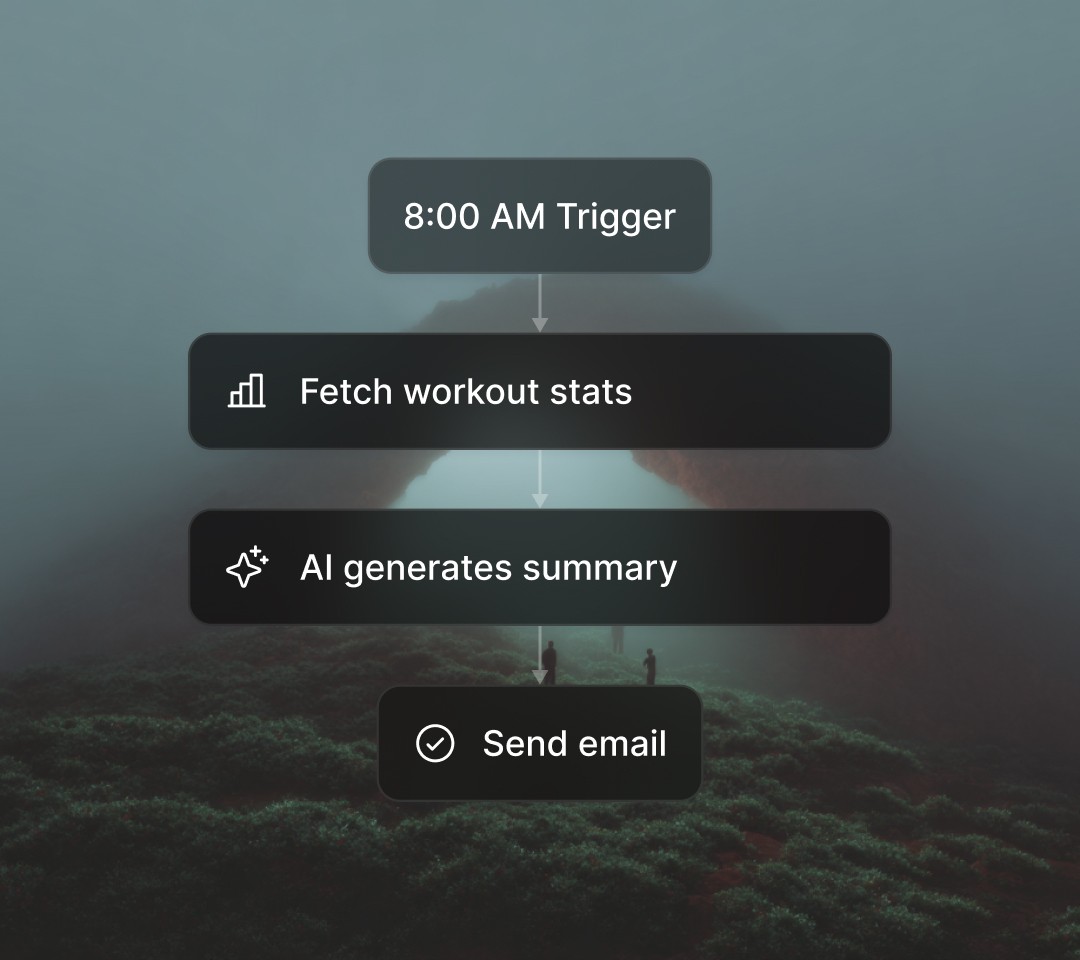
From chaos to structure

I reframe problems at the system level, turning fragmented workflows into clear, scalable foundations.
Systems over screens

I design the underlying logic, data models, and flows that make interfaces intuitive and reliable.
Built for real-world use

I design for scale, edge cases, and pressure, where most products actually fail.

Projects

From problem to system: how the platform was designed.

  • This wasn’t a usability problem

    The problem wasn’t how users interacted with the interface.It was that the system underneath it didn’t exist.

  • Defining the structure before the interface

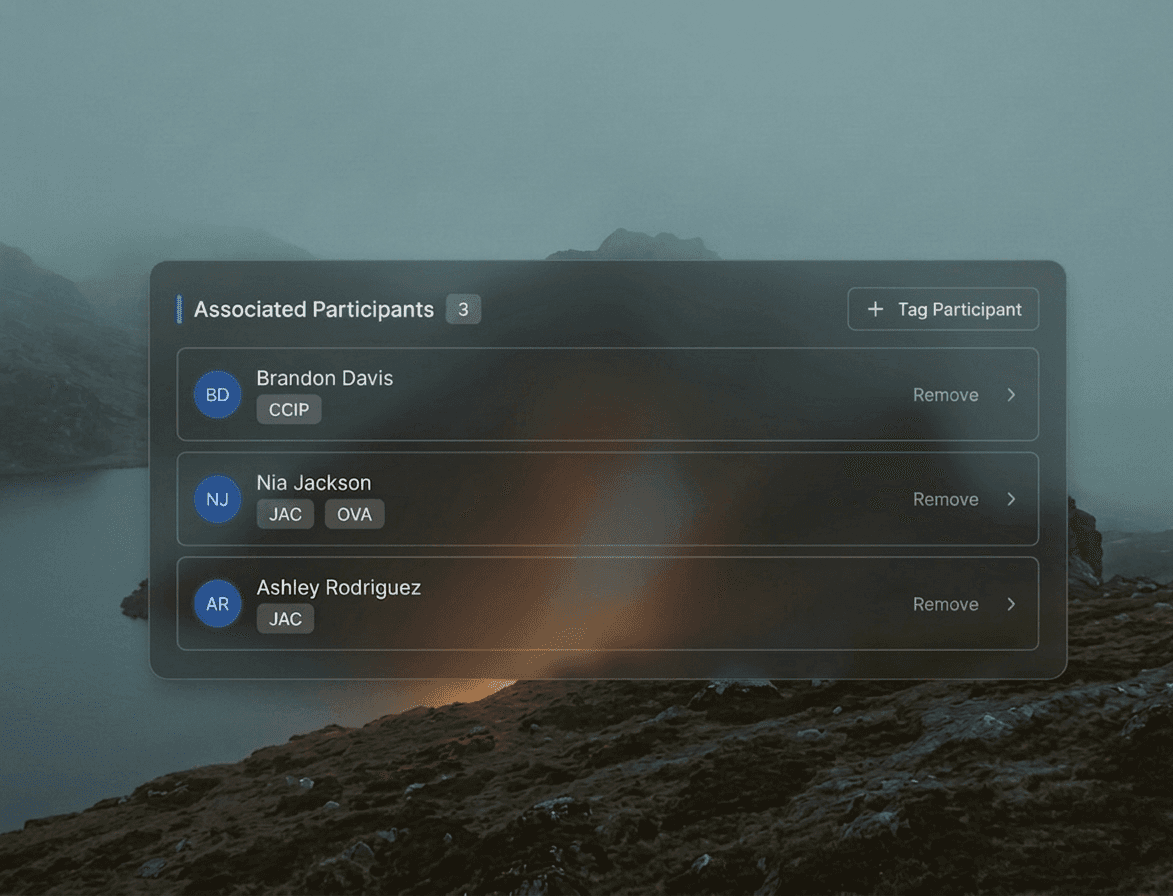
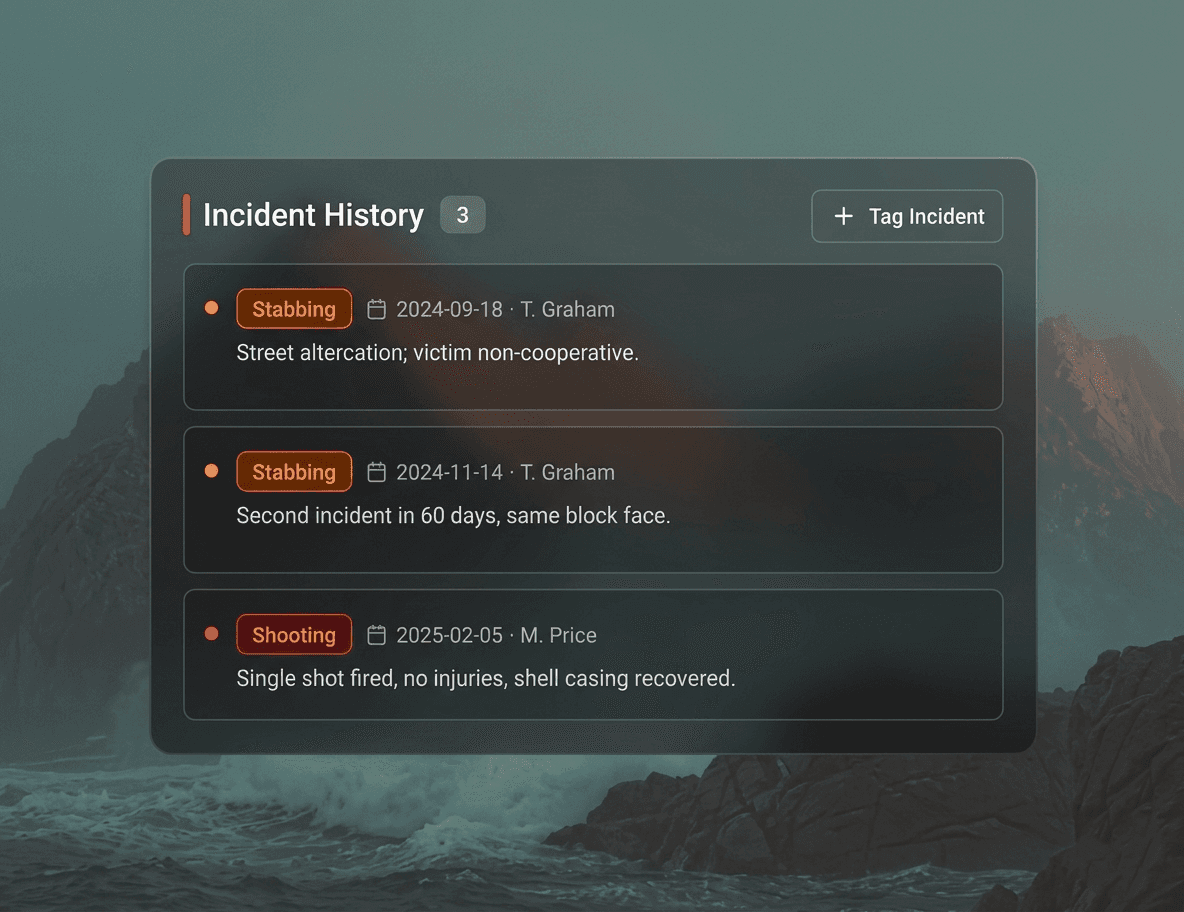
    Before designing any screens, I focused on modeling the system itself, defining core entities, their relationships, and a shared lifecycle.

  • Built once, configured for every program

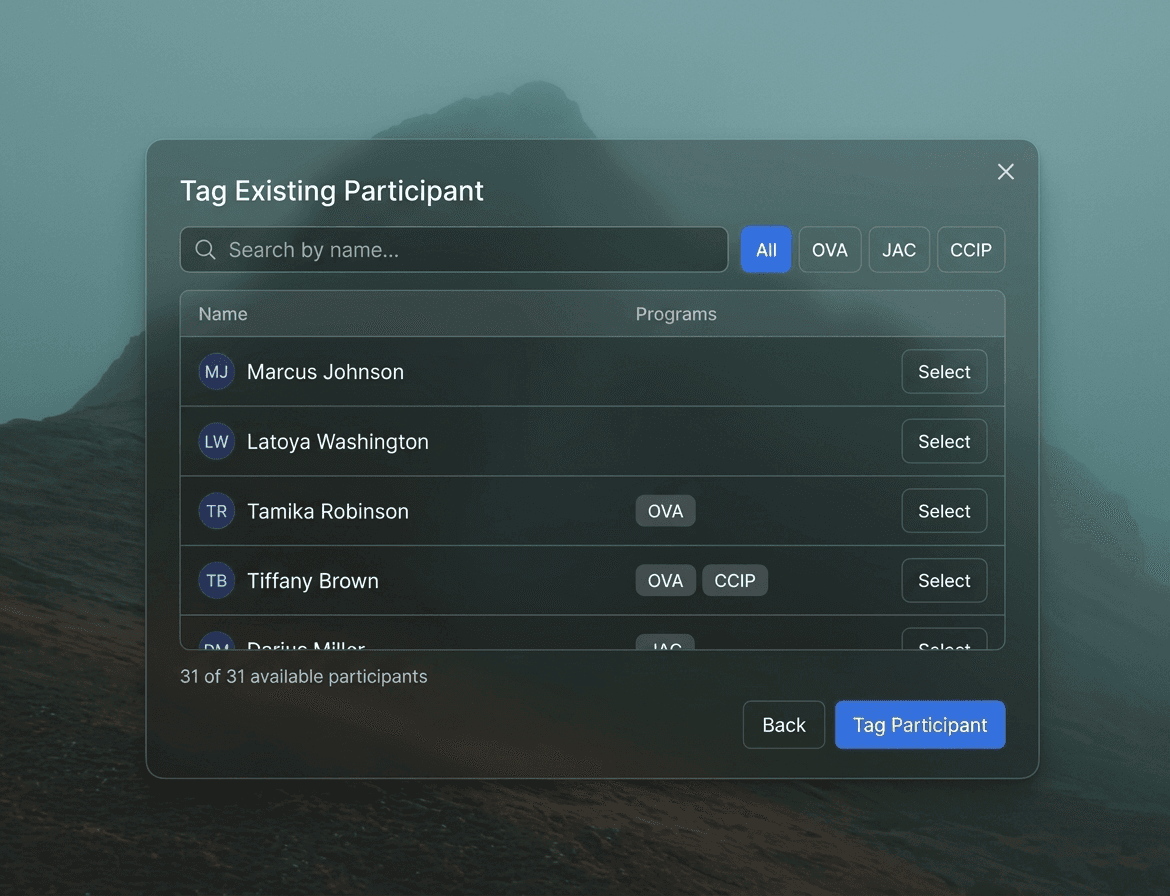
    With the system defined, I designed a platform architecture that separated shared infrastructure from program-specific workflows.

  • A system that scales with complexity

    Teams gained clarity, engineering had a clear architecture to build against, and new programs could be supported without redesigning the system each time.

1 Problem Framing

2 System Modeling

3 Platform Design

4 Outcome

This wasn’t a usability problem

What started as a search and navigation issue quickly revealed something deeper. Through stakeholder conversations and workflow analysis, I traced the friction back to the system itself; there was no standardized intake, no shared participant model, and no consistent lifecycle.

The problem wasn’t how users interacted with the interface.
It was that the system underneath it didn’t exist.

1 Problem Framing

2 System Modeling

3 Platform Design

4 Outcome

This wasn’t a usability problem

What started as a search and navigation issue quickly revealed something deeper. Through stakeholder conversations and workflow analysis, I traced the friction back to the system itself; there was no standardized intake, no shared participant model, and no consistent lifecycle.

The problem wasn’t how users interacted with the interface.
It was that the system underneath it didn’t exist.

1 Real-World Use

2 Breaking Point

3 System Shift

4 Outcome

The system didn’t match reality

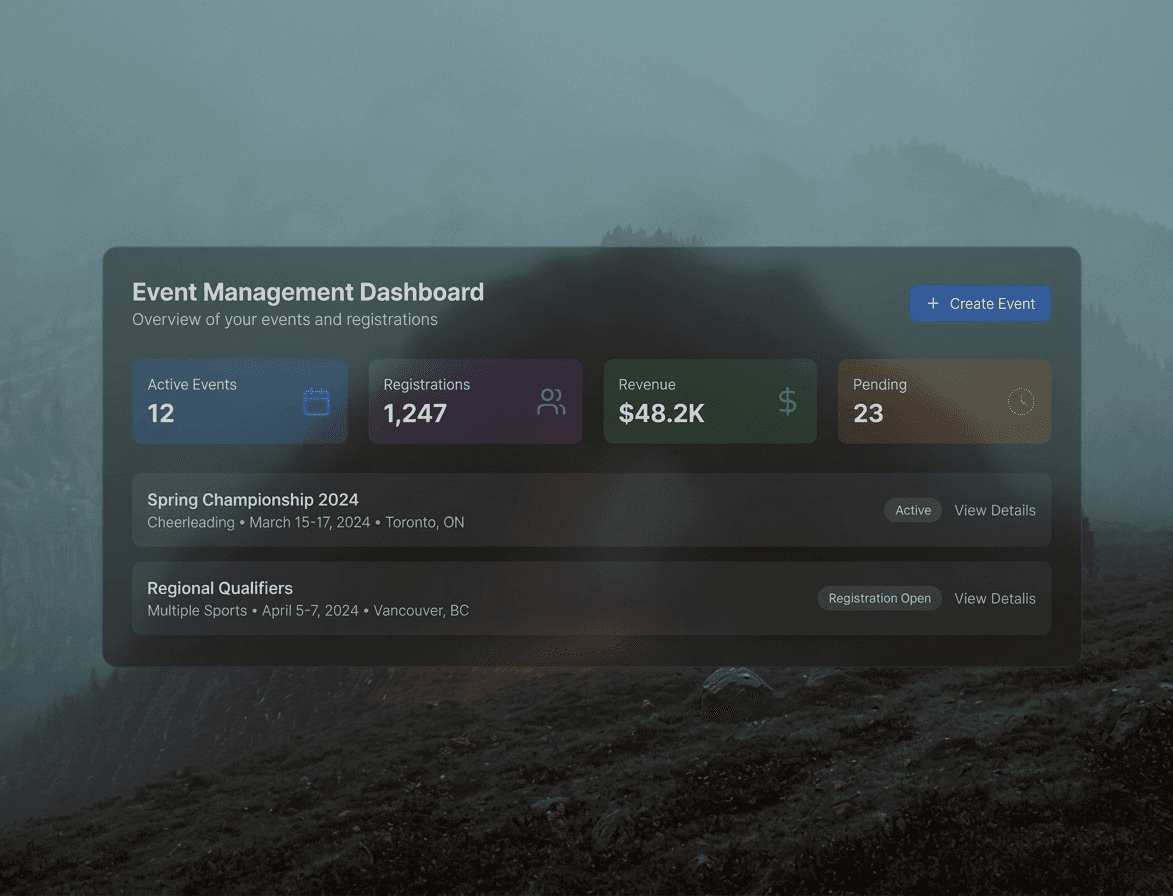
On paper, the platform supported event registration. In practice, it broke down under real-world conditions. Clubs were managing hundreds of athletes, relying on spreadsheets, and moving quickly under time pressure. Instead of supporting that workflow, the system forced manual entry and rigid structures that didn’t reflect how registration actually happened. The gap wasn’t in features, it was between the system and reality.

1 Real-World Use

2 Breaking Point

3 System Shift

4 Outcome

The system didn’t match reality

On paper, the platform supported event registration. In practice, it broke down under real-world conditions. Clubs were managing hundreds of athletes, relying on spreadsheets, and moving quickly under time pressure. Instead of supporting that workflow, the system forced manual entry and rigid structures that didn’t reflect how registration actually happened. The gap wasn’t in features, it was between the system and reality.

Process

From ambiguity, to system clarity.
1 – Reframe

I start by challenging the problem itself, looking beyond surface-level issues to uncover the underlying system gaps, constraints, and misalignments.

2 – Model

Before designing interfaces, I define the structure, mapping workflows, relationships, and lifecycles to create a system that can scale and adapt.

3 – Design

With a clear system in place, I design flows and interfaces that align with real-world usage, focusing on clarity, speed, and resilience under pressure.

1 – Reframe

I start by challenging the problem itself, looking beyond surface-level issues to uncover the underlying system gaps, constraints, and misalignments.

2 – Model

Before designing interfaces, I define the structure, mapping workflows, relationships, and lifecycles to create a system that can scale and adapt.

3 – Design

With a clear system in place, I design flows and interfaces that align with real-world usage, focusing on clarity, speed, and resilience under pressure.

1 – Reframe

I start by challenging the problem itself, looking beyond surface-level issues to uncover the underlying system gaps, constraints, and misalignments.

2 – Model

Before designing interfaces, I define the structure, mapping workflows, relationships, and lifecycles to create a system that can scale and adapt.

3 – Design

With a clear system in place, I design flows and interfaces that align with real-world usage, focusing on clarity, speed, and resilience under pressure.

Systems

Extending design beyond the interface.

Rapid Prototyping

I move quickly from concept to working prototypes, validating interactions before committing to UI.

System Modeling

I define data models, relationships, and lifecycles early, ensuring the system makes sense before build.

Real-World Validation

I ground decisions in real workflows, pressure points, and edge cases — not ideal scenarios.

AI-Assisted Exploration

Using tools like Replit and Claude, I explore flows, simulate logic, and push ideas further, faster.

Faster Iteration

I rapidly generate, test, and refine ideas, helping teams move forward with clarity and confidence.

Scalable Thinking

I design systems that adapt, supporting new use cases and complexity without starting over.

The tools change. The thinking scales.

Tools evolve, but the ability to bring clarity to complexity, and turn it into something real, is what lasts.